
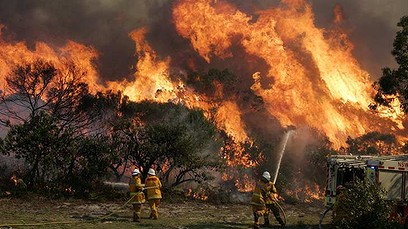
Bushfire season is upon us again. In fact as I write this, there are 100 firefighters and six aircraft currently fighting a fire in Katoomba, and multiple hazard reduction burns going on across the state.
In Australia bushfires are a fact of life, and most people in bush fires prone areas are aware of the need to prepare their homes for the threat of bush fire, but what do you do if a bushfire occurs when you are at work?
Does your workplace have an emergency management plan? It should have, it is a requirement under Australian law, however many small and medium size businesses do not have one , or if they do it is out of date or incomplete. If your workplace does not have one, you need to get one as soon as possible, you can either write it yourself or contact a specialist such as Excite Safety Training, to write it for you. These plans should be reviewed annually and updated as required.
Some of the key questions your bushfire emergency management plan should address are:
- Does your workplace have a maintenance schedule to reduce bushfire risk?
- Do you have adequate firefighting equipment to defend your workplace from embers & spot fires?
- Will workers be required protect or evacuate your workplace if it is threatened by a bushfire? How?
- How will workers be accounted for in a bushfire emergency?
- How will workers get home? What happens if they are stranded at work because roads are blocked?
- Do you have people other than your workers that may need to be evacuated, such as children in your care, patients, customers, visitors or contractors?
- Do workers have an appropriate level fire safety and evacuation training?
To help you with answering these questions there is a range of free Bushfire survival resources available on the Rural Fire Service website. For personalised emergency management plans for NSW workplaces, please contact Excite Safety Training on 0432 614 963 or enquiries@excitesafety.com.au. Our highly experienced and qualified staff can assist with all aspects of planning, writing and implementing your emergency management plan.